
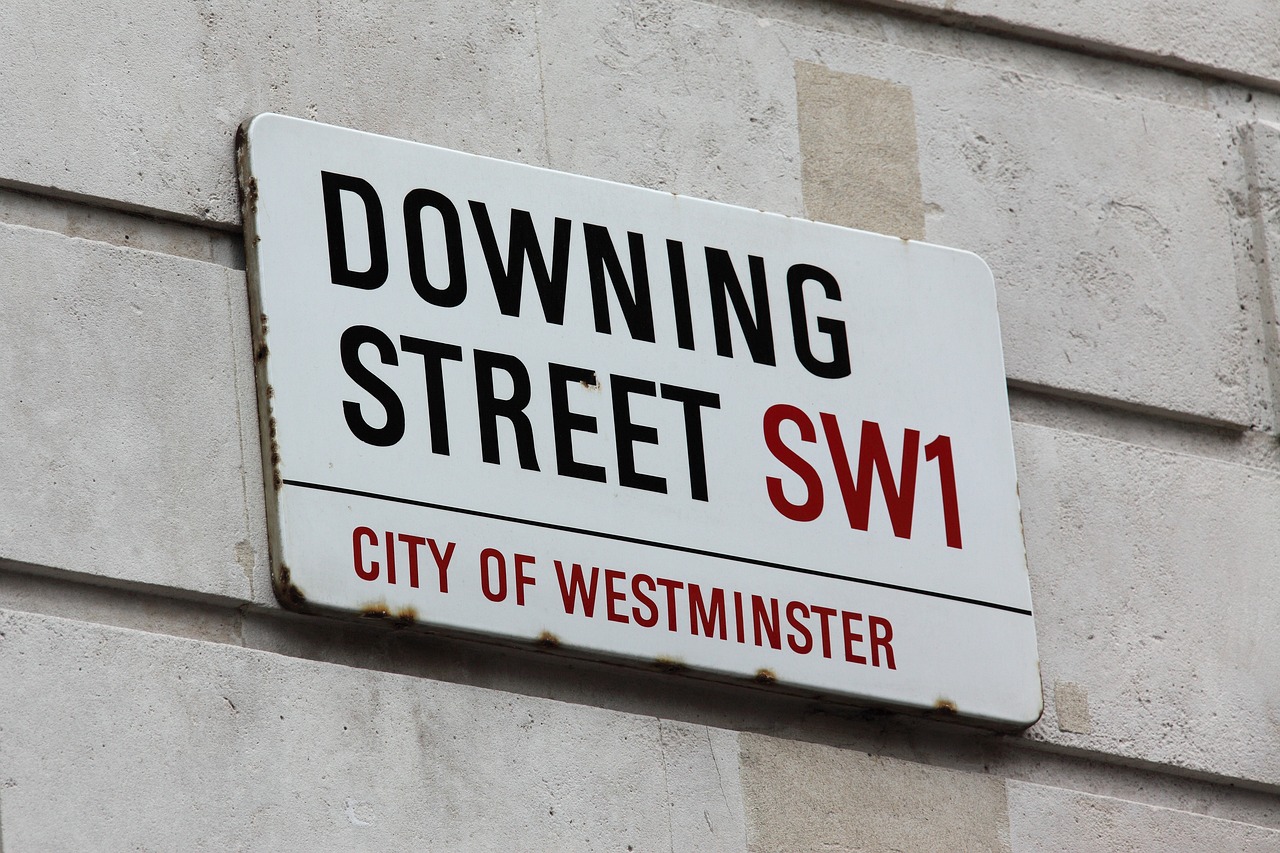
The intersection of politics and cryptocurrency is becoming increasingly important, especially in contexts like the UK where significant political events such as elections have the potential to influence the adoption and regulation of digital currencies. As the UK gears up for another election, understanding the possible impacts on the cryptocurrency landscape is crucial for investors, developers, and consumers alike.
Political Parties and Their Stances on Cryptocurrency
One of the primary factors to consider is the position of major political parties on cryptocurrencies. Each party’s approach towards blockchain technology and cryptocurrencies can vary significantly; some may advocate for stringent regulations to curb potential risks, while others might propose more lenient policies to foster innovation and attract crypto-related businesses.
Labor Party’s Vision for Cryptocurrency
The Labor Party has historically been cautious about cryptocurrency, focusing on consumer protection and the prevention of financial crimes. However, recent discussions hint at a more open approach, emphasizing the potential of blockchain technology for improving transparency and efficiency in various sectors.
Conservative Party’s Regulatory Framework
Conversely, the Conservative Party has proposed a somewhat friendly regulatory framework, aiming to make the UK a global hub for cryptocurrency and blockchain operations. Their policies are likely to encourage the growth of the cryptocurrency market by providing a stable legal environment.
Economic Impact of Cryptocurrency Legislation
The economic implications of the next election will also heavily depend on each party’s policy framework towards cryptocurrency. Effective regulation can lead to a boom in crypto industries, creating jobs, and attracting international investments, whereas over-regulation could stifle innovation and push businesses out of the UK market.
Cryptocurrency In Public Services
An intriguing aspect of potential political influence is the integration of cryptocurrencies into public services. The party that wins could pilot projects to use blockchain for things like healthcare record management, tax collection, and benefit distribution, which would not only streamline processes but also increase transparency.
The Global Context
It is impossible to ignore the global context in which these developments occur. International trends will compel British policymakers to adapt regulations that align with global standards to remain competitive. Thus, the outcome of the UK election could also influence or reflect broader global regulatory trends in the cryptocurrency market.
As we approach election day, the cryptocurrency community must stay informed and engaged with the policies proposed by each political party, as these could determine the regulatory environment for blockchain technology in the UK for years to come. Depending on who takes office, the UK’s cryptocurrency landscape could either face new challenges or enjoy robust growth.
For continuous updates on how the UK election impacts the cryptocurrency sector, keep an eye on developments and expert analyses. The intersection of politics and digital currency promises to be a pivotal theme not just for investors but for anyone interested in the future of finance and governance.




Be First to Comment