
Britain’s electricity grid operator faces growing expenses from power line bottlenecks, raising questions about whether flexible energy consumers can help absorb unused renewable energy in Scotland.
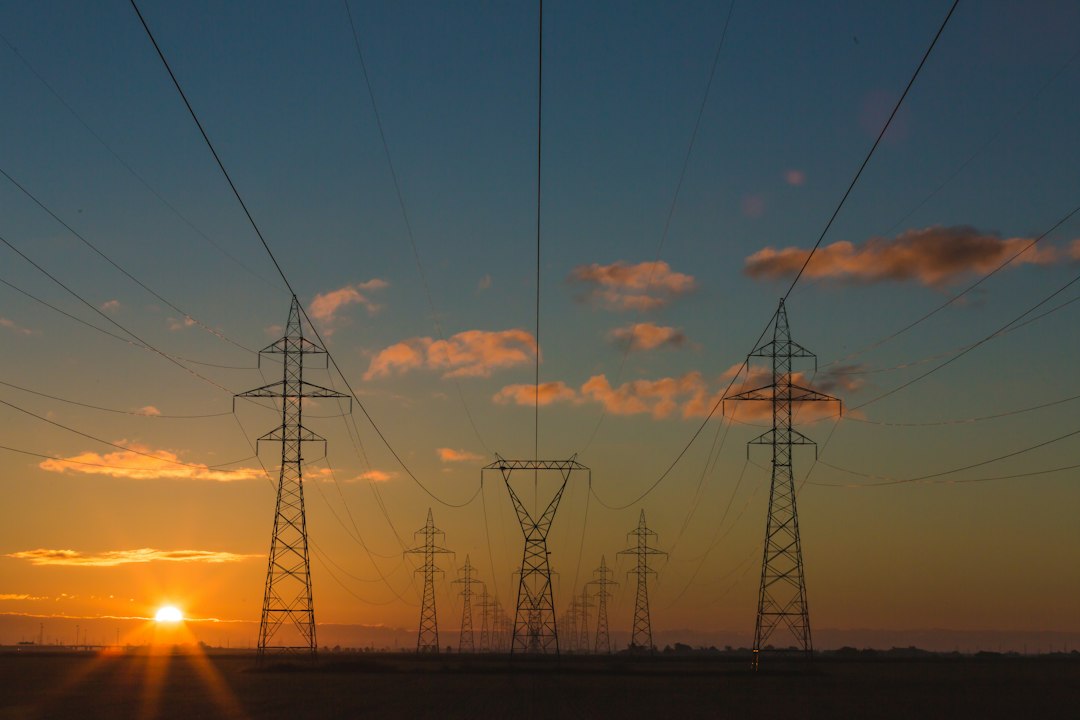
According to CryptoSlate, the National Energy System Operator (NESO) published a forecast on 12 November placing thermal constraint costs at approximately £4 billion for 2027. Thermal constraints occur when transmission lines cannot safely carry all available power, requiring NESO to pay generators to reduce output while securing replacement power elsewhere.
Grid Bottlenecks and Scottish Wind Curtailment
In a report published on 9 November, NESO detailed total balancing costs of around £3 billion for 2025/26. That included roughly £2 billion in thermal constraint expenses, with under £500 million paid to wind farms to turn down output. Around 75% of 2025/26 thermal constraint costs paid for replacement energy, predominantly gas.
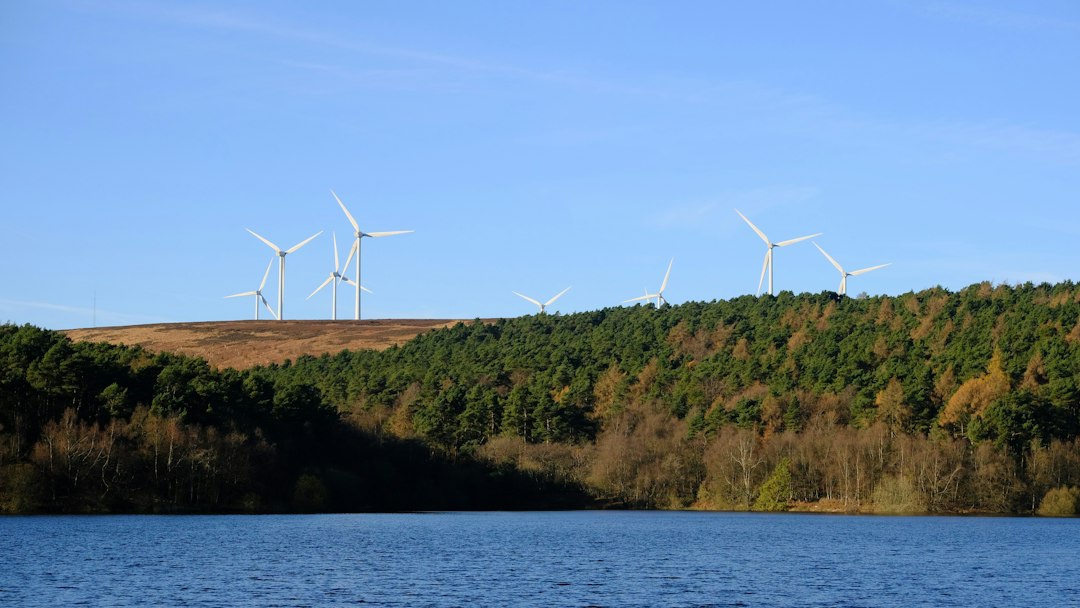
Scotland experiences a high rate of energy turn-down due to local transmission limits. NESO reported that 28% of wind generation in the northern region above the B6 transmission boundary was curtailed in 2025/26, compared to 13% across Great Britain as a whole.
Can Flexible Data Mining Absorb Unused Power?
Flexible computer operations can adjust power consumption based on grid availability. However, absorbing turned-down wind in northern areas does not fully eliminate grid management costs. Because transmission lines remain constrained, replacement energy is still required to meet demand in southern regions.
NESO noted that lower wind turn-down costs do not automatically reduce total consumer expenses, as balancing actions can create additional costs elsewhere across the electricity system. NESO has proposed a March Demand for Constraints design focused on Scottish boundaries, contemplating dispatch through the Balancing Mechanism with service deliveries starting from 2028.
For UK investors and market observers following green energy and tech integration, energy balancing remains an evolving infrastructure challenge. To stay up to date on broader market developments, read our recent analysis on Bank of England stablecoin rules or explore our educational trading guides.
Disclaimer: This article is for informational and educational purposes only and does not constitute financial, legal, or investment advice.
Main picture: Photo by Rory Tucker on Unsplash




Be First to Comment